

Plant Operator Training: Building Competent Teams for Industrial Operations
Plant Operator Training represents one of the most critical investments an industrial operation can make. Yet many employers struggle to understand what effective training actually looks like and when it delivers genuine value. After three decades working across industrial training, I’ve seen operations transform their safety records and productivity through proper operator development, and others that learned expensive lessons from cutting corners.
The reality is straightforward. Plant operators control complex, powerful equipment that can cause serious harm or significant financial loss when handled incorrectly. They make split-second decisions that affect production schedules, energy consumption, and workplace safety. Getting their training right isn’t just about ticking compliance boxes, it’s about building competent teams that keep operations running smoothly.
TL;DR
- Plant operator training builds practical competence on specific machines, covering startup, safe operation, daily inspection, and emergency response, not just classroom theory.
- Employers carry the legal duty. Under PUWER and HSE guidance, employers must ensure operators are adequately trained and competent before they use work equipment; there is no single government plant licence.
- Documented, accredited training gives you independent proof of competence. AFTT is an AITT-accredited training provider, and structured training is documented and certificated for every operator, with each machine category treated as a separate qualification.
- Every operator needs it: new recruits, experienced hires on your specific kit, operators moving to a new machine, and existing operators due a refresher.
- Accredited external training gives you independent, portable proof of competence; in-house training can be quicker and cheaper but only holds up if your assessors and records are robust.
- The payback is fewer breakdowns, fewer incidents, longer equipment life, and lower turnover; the cost of one damaged machine or serious injury usually dwarfs the cost of training.
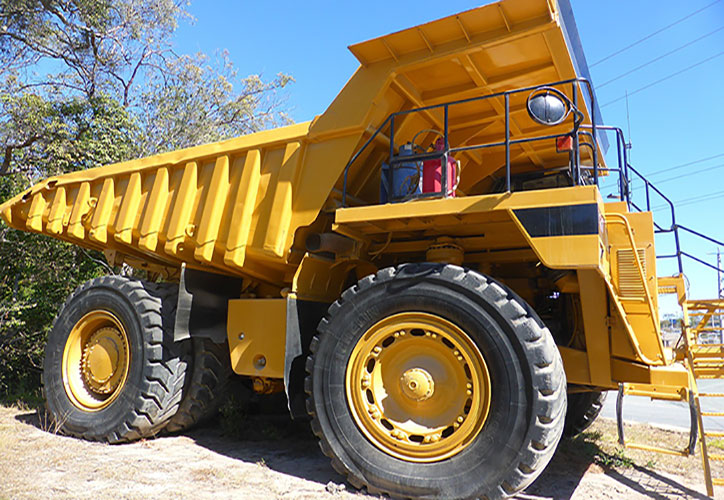
What does plant operator training actually cover?
Plant operator training covers the practical skills an operator needs to control a specific machine safely, from startup to shutdown to emergencies, backed by only as much theory as the job requires. This isn’t theoretical classroom work. Effective programmes blend hands-on experience with targeted knowledge development, covering everything from startup procedures to emergency responses.
The training typically addresses several core areas. Equipment operation forms the foundation, operators learn how their specific machinery works, what the controls do, and how different components interact. Safety procedures run through every aspect, from personal protective equipment to lockout/tagout protocols. Maintenance awareness helps operators spot potential problems before they become costly failures.
Pre-use inspection deserves particular attention. A competent operator knows how to carry out a documented daily check on their machine, tyres or tracks, hydraulics, fluid levels, warning devices, guards, and controls, and knows what a defect looks like and when a machine must be taken out of service. This single habit prevents more downtime and more incidents than almost anything else in the training.
Emergency response training prepares teams for the unexpected. Plant operators often work alone or in small teams, particularly during night shifts. When something goes wrong, they need to respond correctly and quickly. This means understanding emergency shutdown procedures, knowing when to evacuate areas, and how to communicate effectively with emergency services.
Process understanding separates competent operators from those who simply follow instructions. Good operators understand why procedures exist and how their actions affect the broader operation. They recognise when something isn’t quite right and can troubleshoot problems intelligently rather than just calling for help.
Modern plant operator training increasingly uses simulation technology. Digital twins of actual plant equipment let operators practise handling failures and emergencies without risking real equipment or production time. These simulators can replicate rare but critical scenarios that operators might encounter only once in their careers.
Who needs plant operator training?
Everyone who operates the machine needs training on your specific equipment, from brand new recruits to experienced hires, operators moving to a different machine category, and existing operators due a refresher. Prior experience elsewhere is never a substitute for structured training on your systems and site.

New operators joining your team are the obvious candidates. Whether they’re fresh recruits or experienced workers moving from other industries, they need to understand your specific equipment and procedures. Even operators with years of experience elsewhere require structured training on your systems, because controls, site rules, and hazards differ from one operation to the next.
Existing operators benefit from refresher training and skills development. Equipment gets upgraded, procedures change, and regulations evolve. Operators who received basic training years ago may have developed bad habits or lack knowledge of newer systems. Regular training updates keep skills sharp and knowledge current.
Maintenance teams often need operator training too. When they’re testing equipment after repairs or commissioning new installations, they’re effectively operating plant machinery. Understanding proper operating procedures helps them test equipment safely and identify problems that might not be obvious from a purely mechanical perspective.
Supervisors and team leaders frequently require advanced training. They need to understand not just how to operate equipment, but how to coach others, recognise when operators are struggling, and make decisions about equipment capability and limitations.
Some industries have specific requirements. Process industries like chemicals, pharmaceuticals, and food production demand high levels of operator competence because mistakes can affect product quality, environmental compliance, or public safety. Power generation, water treatment, and waste management operations similarly require skilled operators who understand the broader implications of their work.
Is plant operator training a legal requirement in the UK?
There is no single government-issued plant operator licence, but employers are legally required to ensure operators are adequately trained and competent before they use work equipment. This duty sits mainly under the Provision and Use of Work Equipment Regulations (PUWER) and the wider Health and Safety at Work Act, enforced by the HSE.
In practice this means an employer cannot simply assume competence. You need evidence that each operator has been trained on the category of machine they use, has been assessed as competent, and is given refresher training when circumstances change. On construction sites, duties under the Construction (Design and Management) Regulations reinforce this, and principal contractors will usually ask to see proof of operator competence before anyone works on site.
Accredited training is how most employers meet that duty cleanly. A recognised certificate and a card scheme record give you independent, dated proof that competence was assessed against a national standard, which is far stronger evidence than an internal note that someone was shown the ropes.
How does a professional training programme work?
A professional programme builds competence in stages: assess what the operator already knows, teach the theory that matters, practise on the actual machine or a high-fidelity simulator, then assess against the real requirements of the job. The best programmes start with assessment, understanding what operators already know and identifying specific gaps or risks in their knowledge.
Classroom elements cover theory and procedures. Operators learn how equipment works, what can go wrong, and how different systems interact. Modern training uses visual aids, interactive modules, and scenario-based discussions rather than traditional lecture formats. The goal is understanding, not just information transfer.
Practical training takes place on actual equipment or high-fidelity simulators. Operators practise normal operations first, startup sequences, routine monitoring, standard shutdown procedures. Once they’re comfortable with normal operations, training progresses to abnormal conditions and emergency responses.

Structured on-the-job training bridges the gap between formal instruction and independent work. Experienced operators or instructors work alongside trainees, gradually increasing their responsibility as competence develops. This phase includes documentation of skills development and formal sign-offs for specific capabilities.
Assessment happens throughout the process, not just at the end. Operators demonstrate their understanding through practical exercises, written tests, and observation of their work. The assessment criteria relate directly to job requirements rather than abstract training objectives.
Professional programmes adapt to different learning styles and experience levels. Visual learners benefit from detailed diagrams and video demonstrations. Hands-on learners need extensive practical exercises. Experienced operators from other industries might need focused training on differences rather than basic principles. A novice with no experience needs the longest course, while an experienced operator converting to a new machine, or taking a refresher, needs far less time.
Follow-up support continues after initial training. Good programmes include refresher sessions, updates on procedure changes, and opportunities for operators to ask questions or discuss challenges they’ve encountered. This ongoing relationship helps maintain competence and identifies areas where additional training might be needed.
In-house or accredited external training: which should you choose?
Choose accredited external training when you need independent, portable proof of competence and a nationally recognised standard; choose in-house training when you have qualified assessors, robust records, and want speed and lower cost for site-specific tasks. Most operations end up using both, external accreditation for the core qualification and in-house sessions for ongoing familiarisation.
| Factor | Accredited external training | In-house training |
|---|---|---|
| Proof of competence | Independent certificate and card scheme record against a national standard | Internal records only, as strong as your documentation and assessors |
| Recognition | Recognised by other sites, principal contractors, and insurers | Recognised within your own operation, may not transfer |
| Cost per operator | Higher up front, includes assessment and certification | Lower marginal cost once set up, but you carry the overhead |
| Speed and flexibility | Scheduled around courses and assessor availability | Can run whenever suits, tailored to your exact site and kit |
| Best for | Core operator qualifications, new starters, contract requirements | Site familiarisation, refreshers, task-specific top-ups |
AFTT is an AITT-accredited training provider, and for plant operators it delivers structured training that is documented and certificated for each operator and machine category. What matters for you is the independent, verifiable proof that an operator was trained and assessed against a recognised standard, which is exactly the kind of evidence principal contractors and insurers look for. Confirm the specific accreditation your site requires for the machine categories involved before you book, so the certification you receive matches what your clients expect.
Is plant operator training worth the cost?
Yes, because properly trained operators make fewer mistakes, and the cost of one damaged machine or serious incident almost always exceeds the cost of training the whole team. Better operation translates directly into reduced downtime, lower maintenance costs, and fewer safety incidents. Equipment lasts longer when operated correctly, and production quality remains consistent.
Confident operators work more efficiently. They don’t hesitate when making routine decisions, they spot problems earlier, and they can handle abnormal conditions without immediate supervision. This reduces the burden on senior staff and improves overall team productivity.
Training reduces recruitment challenges. Operators who receive good training are more likely to stay with your organisation. They feel competent and valued, which improves job satisfaction and reduces turnover. When you do need to recruit, having a reputation for good training makes your organisation more attractive to experienced operators.
Insurance and regulatory benefits often follow from documented training programmes. While compliance shouldn’t be the only reason you train, proper operator development does demonstrate that you take safety seriously and have systems in place to maintain competence, which insurers and enforcing authorities both notice.
Crisis management becomes more manageable with trained operators. Equipment failures, power outages, or other emergencies require quick, correct responses. Operators who have practised emergency procedures and understand system interactions can minimise damage and restore normal operations faster.
What are the risks of inadequate operator training?
Inadequate training leads to expensive mistakes, avoidable safety incidents, and regulatory exposure, because undertrained operators run equipment beyond safe limits, miss early warning signs, and respond incorrectly when conditions turn abnormal. The cost of replacing damaged equipment usually far exceeds the cost of proper training.
Safety incidents become more likely when operators don’t fully understand their equipment or proper procedures. Even experienced operators can develop unsafe practices if they haven’t received structured training on your specific systems and requirements.
Regulatory problems can arise from inadequate operator training. If an incident occurs and investigators find that operators weren’t properly trained, this can lead to enforcement action, prosecution, or civil liability. The reputational damage often exceeds the direct costs.
Production inefficiency develops gradually with poorly trained operators. They might run equipment conservatively because they’re unsure of its capabilities, or they might not optimise processes because they don’t understand the relationships between different variables. These losses accumulate over time.
Maintenance costs increase when operators don’t understand how their actions affect equipment wear and performance. Simple practices like proper startup sequences, correct operating parameters, and early problem identification can significantly extend equipment life and reduce repair costs.
Team dynamics suffer when some operators are well-trained and others aren’t. Competent operators become frustrated carrying extra workload, while undertrained operators may feel stressed and unsupported. This affects morale and can increase turnover across the team.
When should employers invest in plant operator training?
Invest whenever competence could have slipped or the requirement has changed: new equipment, new staff, after an incident, when regulations move, and on a regular refresher cycle. Waiting until something goes wrong is always the more expensive option.
New equipment installation is an obvious trigger. Even if your operators are experienced with similar equipment, new systems often have different control interfaces, safety features, or operating characteristics that require specific training.
Incident investigation frequently reveals training gaps that need addressing. While the immediate response focuses on preventing recurrence, smart employers use incidents as opportunities to review and strengthen their overall training approach.
Regulatory changes or new compliance requirements often necessitate additional operator training. Environmental regulations, safety standards, or industry-specific requirements may demand new knowledge or procedures that weren’t covered in previous training.
Staff changes create training needs. New hires obviously need training, but internal promotions, department transfers, or changes in shift patterns can also create requirements for additional operator development.
Business expansion or new contracts might require enhanced operator capabilities. Taking on new products, processes, or service levels often demands skills that current operators don’t possess, and new sites may bring their own accreditation requirements.
Performance improvement initiatives frequently include operator training components. When businesses are looking to increase efficiency, reduce costs, or improve quality, enhanced operator competence often provides significant returns on investment.
Insurance requirements or risk assessments sometimes highlight operator training needs. Regular safety audits or insurance reviews may identify areas where additional training could reduce risk exposure or qualify for better rates.
Technology upgrades can require extensive retraining even for experienced operators. Modern plant control systems, automated safety systems, or data monitoring tools often work very differently from the equipment they replace.
How do you choose a plant operator training provider?
Choose a provider whose instructors have genuine operational experience, who train on the machines and standards you actually use, and who assess rigorously and support you afterwards. Look for instructors with real time on the tools, not just academic qualifications.
Training content should be specific to your equipment and operating environment. Generic courses rarely address the unique challenges and requirements of your particular operation. Good providers will visit your site, understand your equipment, and adapt their training accordingly.
Practical training facilities matter significantly. Providers should have access to real equipment or high-quality simulators that closely match what your operators will use. Classroom theory needs to be supported by hands-on practice.
Assessment methods should be relevant and rigorous. Effective training providers use practical demonstrations, scenario-based exercises, and job-specific evaluations rather than just written tests. They should provide clear documentation of competence that you can rely on, and register it with the relevant card scheme where applicable.
Follow-up support distinguishes professional providers from basic training companies. Good providers maintain relationships with clients, offer refresher training, and provide ongoing advice when operators encounter new challenges or when equipment configurations change.
Industry recognition and accreditation provide some assurance of quality, but don’t rely on credentials alone. The best measure of a training provider’s effectiveness is the competence of operators they’ve trained and the satisfaction of previous clients with similar operations.
How do you make operator training work in your operation?
Training works when management backs it, operators get time to consolidate what they learned, and the training is built into everyday procedures rather than treated as a one-off event. Success requires commitment beyond just sending operators on courses.
Operators need time to consolidate their learning. Rushing newly trained operators into full production roles before they’re confident often creates problems and undermines the training investment. Plan for a gradual increase in responsibility as competence develops.
Documentation and record-keeping help maintain training benefits long-term. Clear records of who has received what training, when refresher training is due, and what competencies have been demonstrated support ongoing workforce management, and give you the evidence you need if an incident is ever investigated.
Regular review and updates keep training relevant. Equipment changes, procedure modifications, and lessons learned from operational experience should feed back into training programmes to maintain their effectiveness.
Integration with existing safety and operational procedures ensures training translates into everyday practice. Training that contradicts existing workplace practices or isn’t supported by supervisors quickly loses effectiveness.
Creating a learning culture encourages operators to maintain and develop their skills beyond formal training requirements. Operators who feel supported in their development are more likely to take initiative, suggest improvements, and maintain high standards.
Plant operator training represents a crucial investment in operational capability and safety. Done properly, it creates confident, competent teams who can handle complex equipment safely and efficiently. The key is understanding what good training looks like and selecting providers who can deliver real competence rather than just compliance documentation.
Frequently Asked Questions
How long does plant operator training take?
It depends on the machine category and the operator’s prior experience. A complete novice needs the longest course, an operator converting from a similar machine needs less, and an experienced operator taking a refresher needs the least. The right length is whatever it takes to reach and prove competence on that specific machine, not a fixed number of days.
Is plant operator training a legal requirement in the UK?
There is no single government plant licence, but employers are legally required under PUWER and the Health and Safety at Work Act to ensure operators are adequately trained and competent before using work equipment. Accredited training is the clearest way to show that duty has been met.
What accreditation does AFTT training carry?
AFTT is an AITT-accredited training provider, and delivers structured training that is documented and certificated for each operator and machine category. This gives you independent, verifiable proof that an operator was trained and assessed against a recognised standard. Confirm the specific accreditation your site or client requires for the machine categories involved before booking, so your certification matches their expectations.
Do experienced operators still need training on new equipment?
Yes. Experience on one machine does not automatically transfer to another, because controls, safety systems, and handling characteristics differ. An experienced operator will usually need a shorter conversion course rather than a full novice programme, but they still need structured training and assessment on the new machine.
How often is refresher training needed?
Refresher training should be given whenever competence could have slipped or circumstances change, for example after a long gap in use, after an incident or near miss, when equipment or procedures change, or on a regular review cycle set by your risk assessment. There is no fixed legal interval, so base it on how the machine is used and how often.
Can plant operator training be delivered on site?
Yes. Many providers deliver training on your own site using your own machines, which keeps the training relevant to your exact equipment and conditions and avoids taking operators off site. On-site delivery works well for both initial training and refreshers, provided a suitable safe area is available.
Is in-house training as valid as accredited external training?
In-house training can be valid if it is delivered by competent trainers, assessed properly, and documented, but it only provides internal proof of competence. Accredited external training gives you an independent certificate and card scheme record that other sites, contractors, and insurers recognise, which is why many operations use it for core qualifications.
Which plant categories can operators be trained on?
Operators can be trained across a wide range of categories such as dumpers, excavators, telehandlers, rollers, and other site machinery. Each category is a separate qualification, so an operator must be trained and assessed for every machine type they will use rather than being certified for plant in general.
How much does plant operator training cost?
Cost varies with the machine category, the number of operators, whether they are novices or experienced, and whether training is delivered on site or at a training centre. Rather than quote a single figure, a good provider will scope your requirement and price it against the categories and number of people involved. Set against the cost of a damaged machine, lost production, or an injury, training is almost always the cheaper option.
For expert guidance on plant operator training solutions that meet your specific operational requirements, contact Advanced Fork Truck Training. Our experienced team can help you develop training programmes that build genuine competence and deliver measurable improvements in safety and productivity.

- Counterbalance Forklift Training in the UK - 6th July 2026
- Forklift Training Cost: What Employers Actually Pay and Why It Matters - 7th May 2026
- Plant Operator Training - 4th April 2026


