

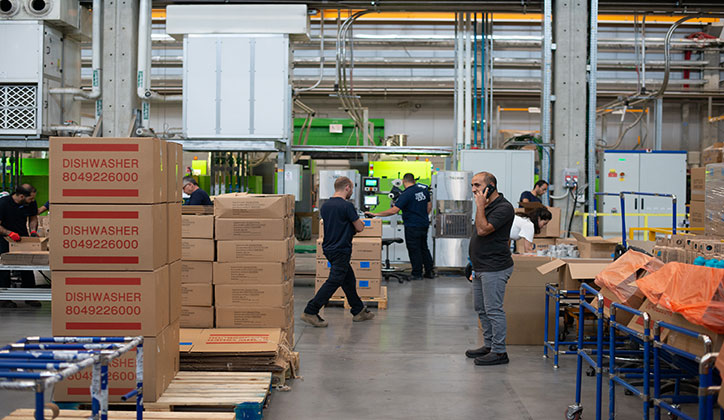
The concept of manual handling refers to the process of moving, lifting, or supporting objects by hand or bodily force. It’s a common task in various industries including construction, manufacturing, healthcare, and logistics.
However, incorrect execution of manual handling tasks can result in injuries, and the development of work-related musculoskeletal disorders (MSDs).
Consequently, the implementation of manual handling training is of paramount importance to many businesses as it serves to safeguard the welfare of both employers and employees alike.
TL;DR
- Manual handling means moving, lifting or supporting objects by hand, a common task in construction, manufacturing, healthcare and logistics.
- Done incorrectly it causes injuries and work-related musculoskeletal disorders (MSDs), which training is designed to prevent.
- Training teaches correct lifting technique and body mechanics: bend the knees, keep the back straight and lift with the legs.
- It is a UK legal duty: the Manual Handling Operations Regulations 1992 (MHOR) require risk assessment and adequate training.
- The benefits include fewer accidents, higher productivity, better well-being, lower insurance and compensation costs, and stronger compliance.
- Manual handling training is an ongoing commitment, with regular refresher courses to keep skills and knowledge current.
How does manual handling training improve safety and prevent injury?
Manual handling training improves safety by teaching people the risks involved and the correct techniques to avoid them, which reduces injuries. One of the primary focuses of manual handling training is to educate individuals about the risks involved in manual handling tasks.
These risks can range from minor strains and sprains to more severe injuries that can have long-term consequences.
By understanding these risks, employees become more aware of the importance of implementing safe practices and taking precautions while performing manual handling tasks.
Proper lifting techniques and body mechanics are fundamental aspects of manual handling training.
Individuals learn the correct posture, positioning, and movement patterns to minimise the strain on their bodies while lifting and moving objects.
This includes techniques such as bending the knees, keeping the back straight, and using the strength of the legs rather than relying solely on the back muscles.
By adhering to these techniques, employees significantly reduce the risk of back injuries and other musculoskeletal issues.
The implementation of manual handling training programs leads to a notable reduction in workplace accidents, Employees who receive proper training are equipped with the knowledge and skills to handle objects safely, reducing the likelihood of mishaps and injuries.
Moreover, training empowers individuals to assess their work environment for potential hazards, enabling them to make informed decisions and take appropriate precautions.
How does manual handling training increase efficiency and productivity?
Manual handling training increases productivity because correct techniques let people handle objects more easily, with less fatigue and fewer delays. Effective manual handling techniques not only contribute to safety but also have a direct impact on the efficiency and productivity of employees.
By adopting proper techniques and practices, individuals can optimise their workflow, reduce time and effort in handling tasks, and minimise delays in operations.
There is a clear correlation between effective manual handling and task completion. When employees are trained in proper lifting techniques and body mechanics, they are able to handle objects more efficiently.
This results in smoother and more seamless task execution, as they can move items with greater ease and control.
By avoiding unnecessary strain or improper movements, employees can perform tasks more quickly and effectively.
Proper manual handling with efficient body mechanics also reduces fatigue and prevents unnecessary exertion, allowing individuals to sustain their energy levels throughout the workday.
As a result, employees can accomplish more tasks, leading to improved productivity, and a reduction of delays in operation.

How does manual handling training improve employee well-being?
Manual handling training improves well-being by preventing both immediate injuries and long-term health problems, which in turn lifts morale and retention. The impact of manual handling training on employee well-being and health is significant as it not only prevents immediate injuries but also contributes to the long-term preservation of their health.
By minimising the risk of work-related injuries and health issues, organisations create a safer and more supportive work environment.
In addition to physical well-being, manual handling training also positively affects employee morale, job satisfaction, and retention.
When employees feel confident and capable of performing manual handling tasks safely, it boosts their morale and job satisfaction. They are more likely to feel valued by their employers, knowing that their well-being is prioritised.
Furthermore, employees who receive proper training are more inclined to stay with the company or organisation, resulting in improved retention rates.
What are the legal requirements for manual handling in the UK?
In the UK, the Manual Handling Operations Regulations 1992 (MHOR) require employers to assess manual handling risks, control them and provide adequate training. Compliance with legal regulatory standards for manual handling training is of utmost importance in the UK.
The Manual Handling Operations Regulations 1992 (MHOR) sets out specific requirements that employers must adhere to in order to protect the health and safety of their employees.
Under the MHOR, employers are obligated to conduct thorough risk assessments to identify potential hazards and implement appropriate control measures.
This includes providing adequate training and instruction to employees engaged in manual handling tasks. The training should cover proper lifting techniques, use of equipment and aids, and the importance of maintaining good posture and body mechanics.
Employers must ensure that manual handling training is tailored to the specific needs of their employees and the tasks they perform.
Training should be interactive and practical, allowing employees to practice safe lifting techniques and understand the risks associated with manual handling.
Regular refresher courses should be provided to reinforce knowledge and address any changes in the work environment.
By complying with legal regulatory standards for manual handling training, employers can significantly reduce the risk of musculoskeletal injuries and promote a safe working environment for their employees.
It is essential to stay up to date with any changes in regulations and adapt training accordingly to ensure ongoing compliance and employee well-being.

What is the return on investment of manual handling training?
The return on investment is strong, because the cost of training is usually far less than the cost of injuries, claims and lost productivity it prevents. By understanding the financial impact of manual handling injuries, conducting a cost analysis, and considering the reduction in worker compensation claims and insurance premiums, companies can realise substantial returns on investment.
Costs associated with medical treatment, rehabilitation, lost productivity, and worker compensation claims can quickly add up.
These expenses not only strain a company’s finances but also disrupt operations and productivity. By preventing these injuries through effective training, companies can avoid these costs altogether.
Conducting a cost analysis of implementing manual handling training versus potential savings provides a clear understanding of the return on investment.
The initial investment in training including development, implementation, and employee participation, can be compared to the potential cost savings achieved through injury prevention.
This analysis often reveals that the cost of implementing training is far less than the expenses incurred due to manual handling injuries.
Furthermore, manual handling training reduces worker compensation claims and insurance premiums. By preventing injuries and promoting safe practices, companies can significantly reduce the number of claims filed by employees.
This not only saves on compensation costs but also reduces the administrative burden associated with handling these claims.
Additionally, insurance companies often offer lower premiums to companies that demonstrate a commitment to workplace safety through proper training and risk mitigation.
How does manual handling training promote a culture of safety?
Manual handling training promotes a safety culture by empowering employees to take ownership of safety and by keeping practices current through ongoing training. In addition to providing manual handling training, companies should strive to promote a culture of safety and continuous improvement.
By encouraging a proactive approach to safety, offering ongoing training and refresher courses, fostering a safety-conscious environment, and implementing strategies for continuous improvement, companies can create a workplace where safety is prioritised and manual handling practices are constantly refined.
This involves empowering employees to take responsibility for their own safety and the safety of their colleagues.
Encouraging open communication, reporting of hazards or concerns, and active participation in safety initiatives fosters a sense of ownership and accountability.
When employees feel valued and empowered in their role in maintaining a safe work environment, they are more likely to be proactive in identifying and addressing potential risks related to manual handling tasks.
Ongoing training and refresher courses play a crucial role in reinforcing safe manual handling practices.
The initial training provides a foundation of knowledge and skills, but regular reinforcement is necessary to ensure that employees stay updated with best practices and remain vigilant in their approach to manual handling.
Refresher courses serve as reminders and opportunities for employees to sharpen their skills, learn about any updates in techniques or regulations, and address any emerging challenges or concerns.
By providing ongoing training, companies demonstrate their commitment to continuous improvement and reinforce the importance of safety in the workplace.
Conducting regular assessments allows companies to identify areas for improvement and implement targeted interventions.
Feedback mechanisms, such as anonymous reporting systems or safety suggestion boxes, encourage employees to share their experiences, insights, and suggestions for enhancing manual handling practices.
Creating knowledge-sharing platforms, such as safety committees or regular safety meetings, enables employees to learn from one another, share best practices, and collectively contribute to the refinement of manual handling techniques
Why is manual handling training the right choice for employers and employees?
Manual handling training is the right choice because it protects employees from injury while giving employers fewer accidents, lower costs and better compliance. Manual handling training offers a wide range of advantages for both employers and employees. The comparison below shows how the benefits divide between the two.
| Benefits for employers | Benefits for employees |
|---|---|
| Fewer workplace accidents | Lower risk of injury and MSDs |
| Lower workers’ compensation and insurance costs | Better long-term health and well-being |
| Improved productivity and efficiency | Greater confidence performing tasks safely |
| Stronger compliance with legal standards | Feeling valued, with higher morale |
| Positive reputation that attracts and retains talent | A safer, more fulfilling work experience |
Investing in manual handling training is not only a legal and moral obligation for employers but also a strategic decision that yields long-term benefits.
Employers reap the rewards of manual handling training through reduced workplace accidents, lower workers’ compensation costs, improved productivity, and enhanced compliance with legal and regulatory standards.
Moreover, companies that prioritise safety and invest in training cultivate a positive reputation and a culture of safety that attracts and retains talented employees.
For employees manual handling training equips them with the necessary skills and knowledge to perform tasks safely, reduces the risk of injuries, and promotes their overall well-being.
They gain confidence in their abilities, experience fewer work-related health issues, and enjoy a safer and more fulfilling work experience.
Therefore, it is strongly encouraged that companies make the investment in manual handling training.
By doing so, they ensure the safety and well-being of their employees while reaping the numerous benefits that come with it.
Manual handling training is not just a one-time event but an ongoing commitment to continuous improvement, ensuring a safer and more efficient workplace for everyone involved.
Frequently Asked Questions
What is manual handling?
Manual handling is the process of moving, lifting or supporting objects by hand or bodily force. It is a common task in industries such as construction, manufacturing, healthcare and logistics. When done incorrectly it can cause injuries and work-related musculoskeletal disorders.
Is manual handling training a legal requirement in the UK?
Yes, in the UK the Manual Handling Operations Regulations 1992 (MHOR) require employers to protect employees who carry out manual handling. Employers must assess the risks, put control measures in place and provide adequate training and instruction. Staying up to date with the regulations is part of ongoing compliance.
What are work-related musculoskeletal disorders (MSDs)?
MSDs are injuries and conditions affecting the muscles, joints and other parts of the body, often caused by incorrect lifting or repeated strain. They range from minor strains and sprains to more severe injuries with long-term consequences. Manual handling training is designed to reduce the risk of developing them.
What does manual handling training cover?
Manual handling training covers the risks involved, correct lifting techniques and body mechanics, and how to assess the work environment for hazards. It should be interactive and practical, so employees can practise safe techniques. Training should also be tailored to the specific tasks employees perform.
What is the correct way to lift an object safely?
The correct technique is to bend the knees, keep the back straight and use the strength of the legs rather than relying on the back muscles. Good posture and controlled movement reduce strain on the body. These techniques significantly lower the risk of back injuries and other musculoskeletal issues.
How often should manual handling refresher training be done?
Refresher training should be provided regularly to reinforce knowledge and address any changes in the work environment. Initial training gives a foundation, but regular reinforcement keeps employees up to date with best practice. The right frequency depends on the tasks and any changes in regulations or the workplace.
Does manual handling training save money?
Yes, manual handling training typically delivers a strong return on investment. The cost of training is usually far less than the cost of injuries, worker compensation claims and lost productivity it prevents. Many insurers also offer lower premiums to companies that demonstrate a commitment to workplace safety.
Who needs manual handling training?
Any employee who moves, lifts or supports loads by hand should receive manual handling training. This is especially important in construction, manufacturing, healthcare and logistics, where manual handling is frequent. Employers are responsible for ensuring the training matches the tasks their staff perform.

- Counterbalance Forklift Training in the UK - 6th July 2026
- Forklift Training Cost: What Employers Actually Pay and Why It Matters - 7th May 2026
- Plant Operator Training - 4th April 2026


