


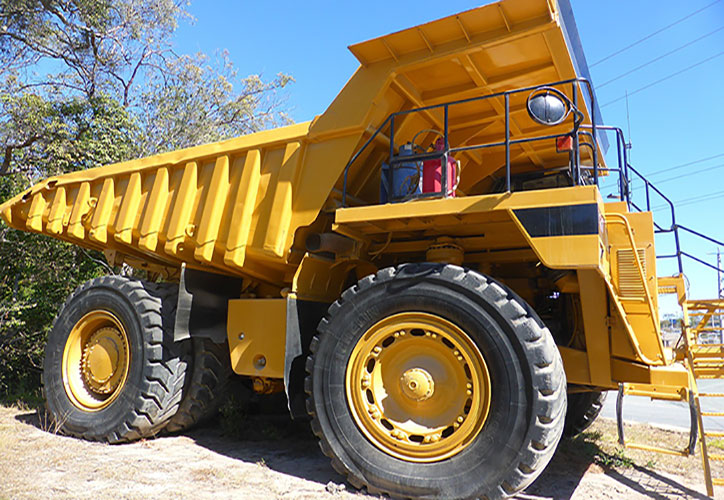
Why is dump truck training worth it?
Dump truck training is worth it because it gives you the certificated, safety-focused skills employers require to operate dumper trucks, opening the door to construction and heavy machinery work. Embarking on a career in the construction and heavy machinery sectors requires more than just a keen interest in the field. It necessitates specialised training, particularly in operating vehicles such as dumper trucks, which are indispensable for moving large amounts of material over uneven terrain.
If you’re looking to forge a career as a dump truck driver, obtaining comprehensive dumper truck training is the first step towards unlocking a plethora of opportunities. However, before you do any training on various vehicles you will need to have the right UK HGV licence first.
TL;DR
- You need the right HGV licence first: to drive dumper trucks over 3500kg you must hold an HGV Category C, also known as HGV Class 2, licence.
- Then you specialise: once licensed, you take machine-specific training on the plant you will operate, such as rigid or articulated dumpers.
- Training covers operation and safety: pre-operation checks, vehicle maintenance, troubleshooting, terrain handling and situational awareness on site.
- Rigid and articulated dumpers differ: rigid trucks suit firm haul roads and heavy loads, while articulated trucks handle soft, uneven ground better.
- Safety and compliance are central: courses teach how to minimise risk and work within construction health and safety regulations.
- AFTT delivers a wide range of plant training as an AITT-accredited training provider, at a dedicated training centre.
What licence do you need to drive a dumper truck?
To drive dumper trucks over 3500kg you need an HGV Category C licence, also known as an HGV Class 2 licence. Before you can take the helm of vehicles over 3500kg, including dumper trucks, it’s essential to obtain an HGV Category C licence, also known as an HGV Class 2 licence.
This certification is your passport to legally drive a wide range of heavy vehicles, laying the groundwork for a career in plant machinery operation. The licence not only demonstrates your ability to handle large vehicles but also ensures you understand the safety and regulatory requirements of operating such machinery.
To work on most construction sites, you will usually also need a recognised competence card in addition to your licence, so it is worth checking the specific requirements of the sites you plan to work on.
What are the next steps after getting your HGV licence?
After getting your HGV Category C licence, the next step is machine-specific training on the vehicle or plant you want to operate. Once you’ve secured your HGV Category C licence, the next step will be to specialise in the vehicle or machinery of your choice.
There is training at our state-of-the-art training centre on a wide range of plant machinery including cranes, mobile elevated working platforms, loading shovels, Bob Cats, tractors, trailers, RORO Shunters lorry loaders, and of course dumpers and rear dump trucks. Specialising in this way means each operator is trained on the exact machine they will use, which is both safer and what employers expect.

What does dump truck and articulated dumper truck training cover?
Dump truck training teaches you to drive and maintain a dumper safely, covering the machine’s mechanics, the terrain it works on and the safety protocols that protect everyone on site. In the construction industry, skilled operators are the backbone of efficiency and safety. Operating dumper trucks, which are crucial for various projects, requires specialised training to ensure safe and effective handling.
This training teaches you how to drive and maintain a dump truck effectively; it encompasses a comprehensive understanding of the machine’s mechanics, the terrain it operates on, and the safety protocols that protect both the operator and the surrounding environment.
Dumper trucks, used extensively in construction, mining, and infrastructure development, are designed to transport large volumes of material, such as dirt, rocks, and sand, from one location to another. They come in various sizes and configurations, including articulated and rigid frame trucks, each suited to different tasks and operating conditions.
The two main dumper types differ in where they perform best, as the comparison below shows.
- Rigid frame dumpers: a single fixed chassis, best on firm, established haul roads where they carry very heavy loads efficiently.
- Articulated dumpers: a pivot joint between cab and load bed, better on soft, uneven or muddy ground where they need to turn and flex.
What is included in the plant machinery training curriculum?
The curriculum runs from basic vehicle operation through to advanced techniques for challenging conditions, plus pre-operation checks, maintenance, troubleshooting and situational awareness. Professional dumper truck training covers a wide range of topics, from basic vehicle operation to advanced techniques for managing challenging conditions. Trainees learn about pre-operation checks, vehicle maintenance, and troubleshooting, as well as the importance of situational awareness on the job site.

How does dumper training keep operators safe?
Dumper training keeps operators safe by teaching them how to minimise risks and prevent accidents in line with construction health and safety regulations. Furthermore, these courses emphasise the critical role of health and safety regulations in the construction industry, teaching operators how to minimise risks and prevent accidents.
By the end of a comprehensive dump truck training course, operators will be very proficient in manoeuvring and operating the vehicle and will also be equipped with the knowledge and skills to maintain the highest safety standards, ensuring their own safety and that of their colleagues on the site.
How does dumper truck training help your career?
Dumper truck training helps your career by opening up construction job opportunities and giving you skills that are in demand across a competitive industry. Choosing to pursue dumper training is a significant step towards a rewarding career in the construction sector. It opens up a wealth of job opportunities and equips individuals with the skills needed to excel in a competitive and ever-evolving industry.
Whether for seasoned professionals looking to upgrade their qualifications or newcomers eager to enter the field, dump truck training is an indispensable part of building a skilled and competent workforce that can meet the demands of modern construction projects.
Frequently Asked Questions
Do you need a licence to drive a dumper truck?
To drive dumper trucks over 3500kg you need an HGV Category C licence, also known as an HGV Class 2 licence. This licence allows you to legally operate a wide range of heavy vehicles and is the foundation for a career in plant machinery. Once you hold it, you then take machine-specific training on the dumper you will operate.
What is the difference between HGV Category C and Class 2?
HGV Category C and HGV Class 2 are two names for the same licence. It covers rigid vehicles over 3500kg, which includes many dumper trucks. Both terms are used interchangeably in the industry.
What is the difference between a rigid and an articulated dumper truck?
A rigid dumper has a single fixed chassis and performs best on firm, established haul roads with very heavy loads. An articulated dumper has a pivot joint between the cab and the load bed, which lets it flex and turn on soft, uneven or muddy ground. The right choice depends on the terrain and the type of material being moved.
What does dumper truck training cover?
Dumper truck training covers everything from basic vehicle operation to advanced techniques for difficult conditions. It includes pre-operation checks, vehicle maintenance, troubleshooting and situational awareness on the job site. The aim is a safe, proficient operator who can maintain high safety standards.
Is dumper truck training suitable for beginners?
Yes, dumper truck training suits both newcomers entering the field and seasoned professionals upgrading their qualifications. Training builds a skilled and competent workforce for modern construction projects. Beginners will still need to hold the appropriate HGV licence before specialising on the machine.
What other plant machinery training does AFTT offer?
AFTT trains operators on a wide range of plant machinery at its training centre, including cranes, mobile elevated working platforms, loading shovels, Bob Cats, tractors, trailers, RORO shunters, lorry loaders, dumpers and rear dump trucks. This means you can train on the exact machine you will use. You can call the team to discuss which course fits your needs.
Why is safety training so important for dumper operators?
Safety training is important because dumper trucks move heavy loads over uneven terrain, where mistakes can cause serious accidents. Courses teach operators how to minimise risks and prevent accidents in line with construction health and safety regulations. A well-trained operator protects both themselves and their colleagues on site.
Is AFTT an accredited training provider?
Yes, Advanced Fork Truck Training is an AITT-accredited training provider. This means training is delivered to a recognised standard and gives operators documented, certificated proof of competence. You can get in touch to discuss dumper truck and other plant machinery courses.
How do you start your dump truck training?
You start by getting in touch to book onto a course and confirm you hold the right licence for the machine. Engage in a transformative learning experience with our dumper driver courses. Equip yourself with the necessary skills to pave the way for a thriving career in the construction industry.
If you’d like further advice about the various plant machinery training we offer including dumper truck training courses, please get in touch with us today on 01438 222157.


- Counterbalance Forklift Training in the UK - 6th July 2026
- Forklift Training Cost: What Employers Actually Pay and Why It Matters - 7th May 2026
- Plant Operator Training - 4th April 2026


